
Lyo-ready Enzymes for Molecular Diagnostics
Glycerol-free Taq, Tth, Bst, reverse transcriptase, UNG/UDG and RNase H II for molecular diagnostic assays that will be freeze-dried into beads, 8-tube strips, plates or vials. Pair them with an AS212-series lyoprotectant, sold separately, or send your formulation for a free feasibility assessment.

Which lyo-ready enzyme for which job
One first choice per use case, shown with its glycerol-free catalog number. Each product below opens its glycerol-free identity directly; the standard glycerol-containing identity is on the same product page.
| Use case | Recommended product | Why this one | Alternatives |
|---|---|---|---|
| qPCR and multiplex PCR | AcuGenix™ Hot Start Taq DNA Polymerase (Glycerol-free) FE03 | Chemically modified hot-start Taq for specific, sensitive qPCR, multiplex PCR and low-copy templates | FE07, FE16, FE17 |
| Fast and direct PCR, point-of-care | Robustart Fast Taq DNA Polymerase-V3 (Glycerol-free) FE40 | Optimized for lyophilized-reagent workflows; at least 1 kb per 10 s; tolerant of blood and swab inhibitors | FE20 |
| LAMP | AcuGenix™ Bst Hot Start DNA Polymerase-V3 (Glycerol-free) FE105 Data | Aptamer hot-start Bst: no separate activation step, room-temperature assembly, high inhibitor resistance | FE103, FE104, FE102 |
| Probe-based LAMP | AcuGenix™ RNase H II (Glycerol-free) FE201 | Thermostable RNase H II that cleaves at a ribonucleotide within a DNA duplex, for hydrolysis probes | — |
| Reverse transcription for RNA targets | Neoscript Hot Start Reverse Transcriptase-V2 (Glycerol-free) FE43 Data | Hot-start reverse transcriptase, fully active at 50 °C; tolerant of blood and swab inhibitors | FE42 |
| Carry-over contamination control | AcuGenix™ Heat-labile Uracil-DNA Glycosylase (UNG)-V2 (Glycerol-free) FE04-2 Data | Heat-labile UNG: active at 20–37 °C, inactivated at 50 °C, recommended for PCR and RT-PCR | FE01 |
| Drying your own mix | AcuGenix™ Lyophilization Protectant-17 AS212-17 | Lyoprotectant for DNA systems; AS212-156-5 for RNA systems; both sold separately | AS212-156-5, AS412-9 |
18 lyo-ready enzymes and lyoprotectants
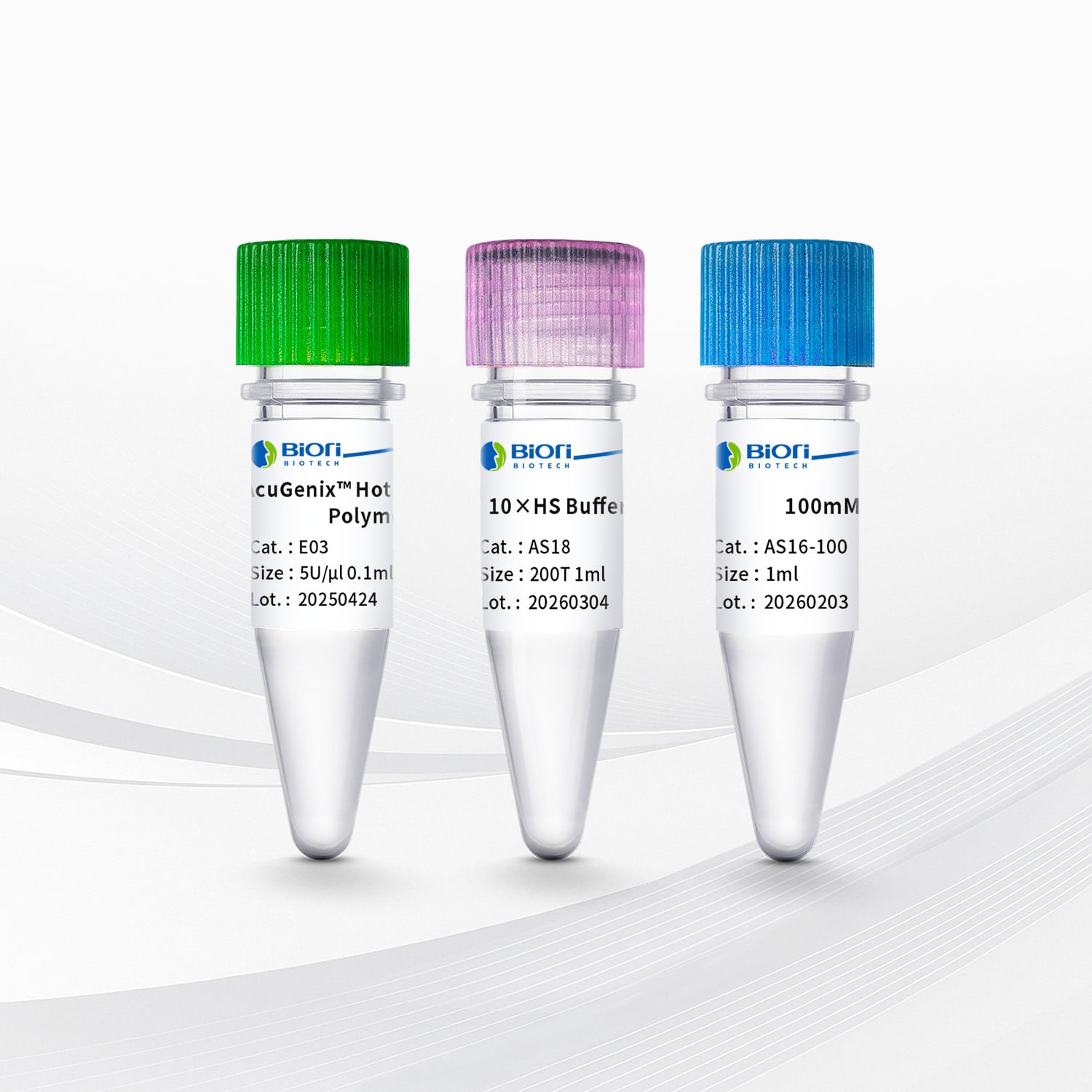
AcuGenix™ Hot Start Taq DNA Polymerase (Glycerol-free)
Chemically modified hot-start Taq with time-release activation, for specific and sensitive PCR and qPCR, multiplex PCR and low-copy templates.
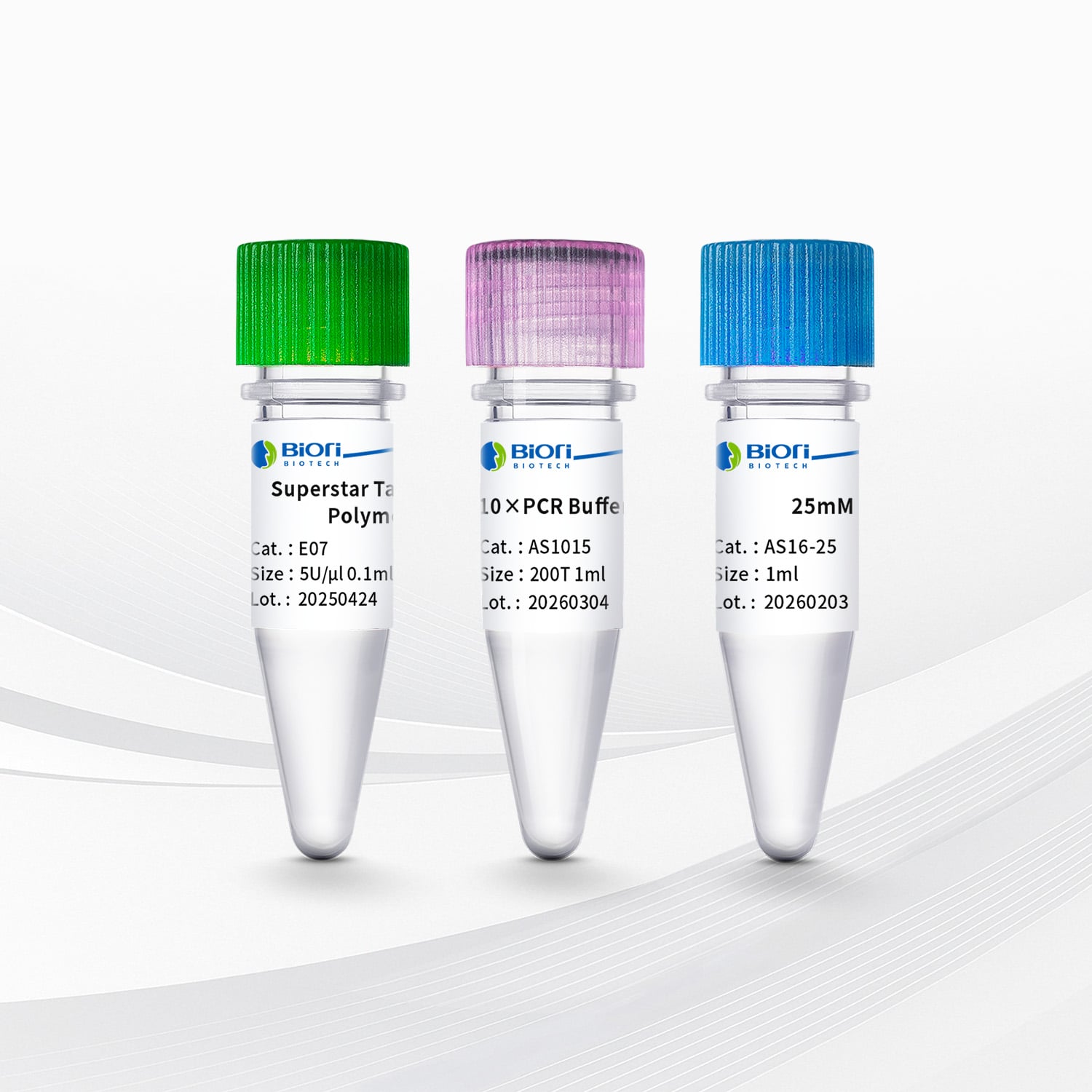
Superstart Taq plus DNA Polymerase (Glycerol-free)
Antibody-modified hot-start Taq (95 °C, 30 s–1 min activation) for endpoint PCR, qPCR, multiplex PCR, genotyping and sensitive virus detection.
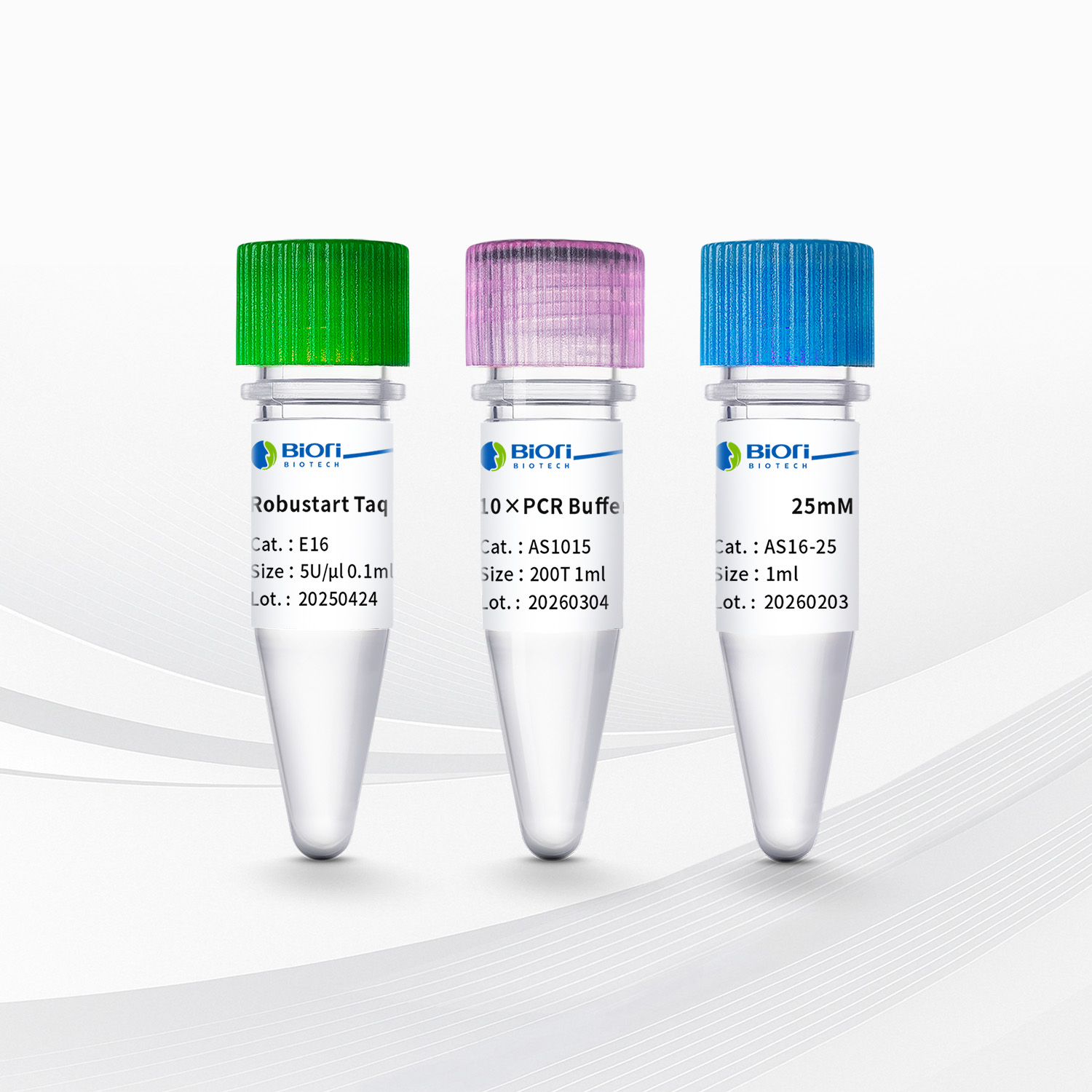
Robustart Taq DNA Polymerase (Glycerol-free)
Antibody-modified hot-start Taq that suppresses products of primer mis-annealing and primer dimers, for endpoint PCR, qPCR, multiplex PCR and genotyping.

Robustart Fast Taq DNA Polymerase-V2 (Glycerol-free)
Fast hot-start Taq, no less than 1 kb per 10 s, highly resistant to inhibitors from blood and swabs, for rapid PCR, direct amplification and point-of-care testing.
| 500U | $77 |
| 5,000U | $660 |
| 25,000U | $2,970 |
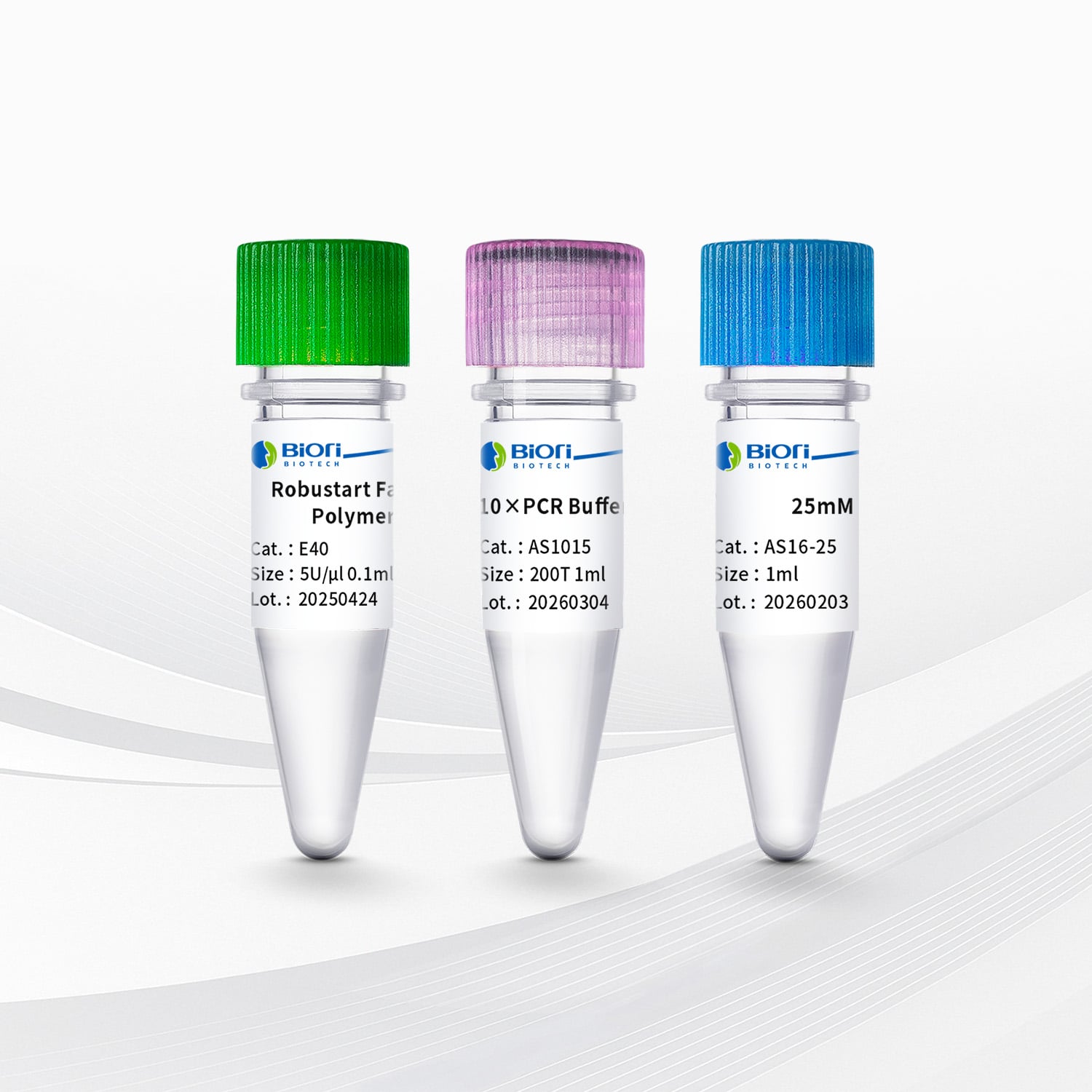
Robustart Fast Taq DNA Polymerase-V3 (Glycerol-free)
Fast hot-start Taq optimized for lyophilized-reagent workflows: at least 1 kb per 10 s, tolerant of inhibitors from blood and swabs and of residual phenols and alcohols.

Robustart Tth DNA Polymerase (Glycerol-free)
Hot-start Tth with DNA polymerase and reverse-transcriptase activities; with Mn²⁺, reverse transcription runs at 60–70 °C on complex RNA templates. For qPCR.

AcuGenix™ Bst DNA Polymerase-V2 (Glycerol-free)
Bst DNA polymerase with strand-displacement activity and no 5′→3′ exonuclease activity, genetically engineered for sensitive LAMP.
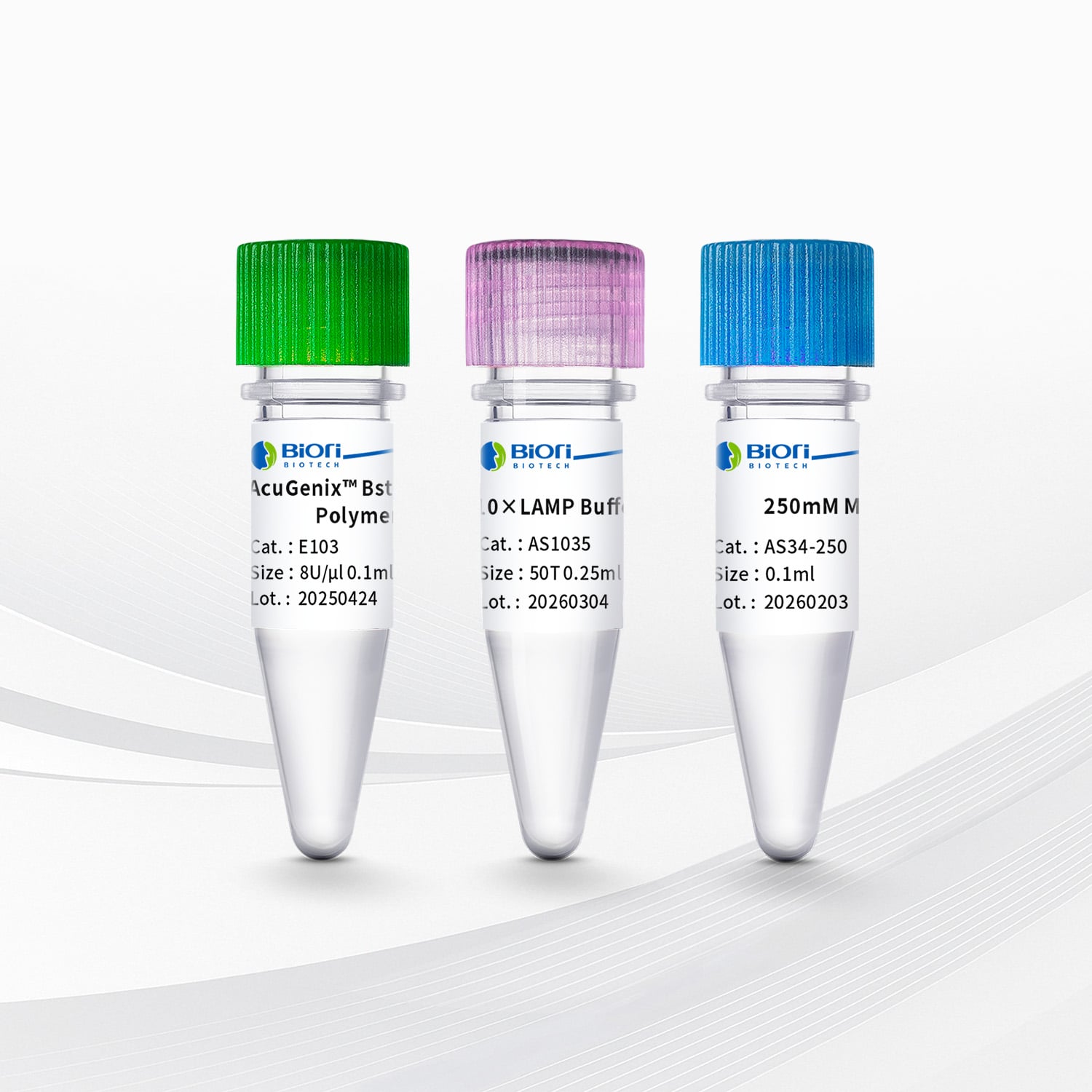
AcuGenix™ Bst Hot Start DNA Polymerase-V2 (Glycerol-free)
Aptamer-modified hot-start Bst for LAMP: reactions can be assembled at room temperature and need no separate activation step.

AcuGenix™ Bst DNA Polymerase-V3 (Glycerol-free)
Bst DNA polymerase for LAMP with high inhibitor resistance, impurity tolerance and sample compatibility.

AcuGenix™ Bst Hot Start DNA Polymerase-V3 (Glycerol-free)
Aptamer-modified hot-start Bst for LAMP with high inhibitor resistance; no separate activation step and room-temperature assembly.

AcuGenix™ RNase H II (Glycerol-free)
Thermostable RNase H II that cleaves at a ribonucleotide within a DNA duplex, designed for probe-based LAMP assays.

Neoscript Reverse Transcriptase-V2 (Glycerol-free)
High-activity reverse transcriptase for cDNA synthesis at 42–55 °C, with strong tolerance to inhibitors from blood and swabs.

Neoscript Hot Start Reverse Transcriptase-V2 (Glycerol-free)
Hot-start reverse transcriptase: activity is suppressed at low temperature and fully released at 50 °C; reverse transcription at 50–55 °C.
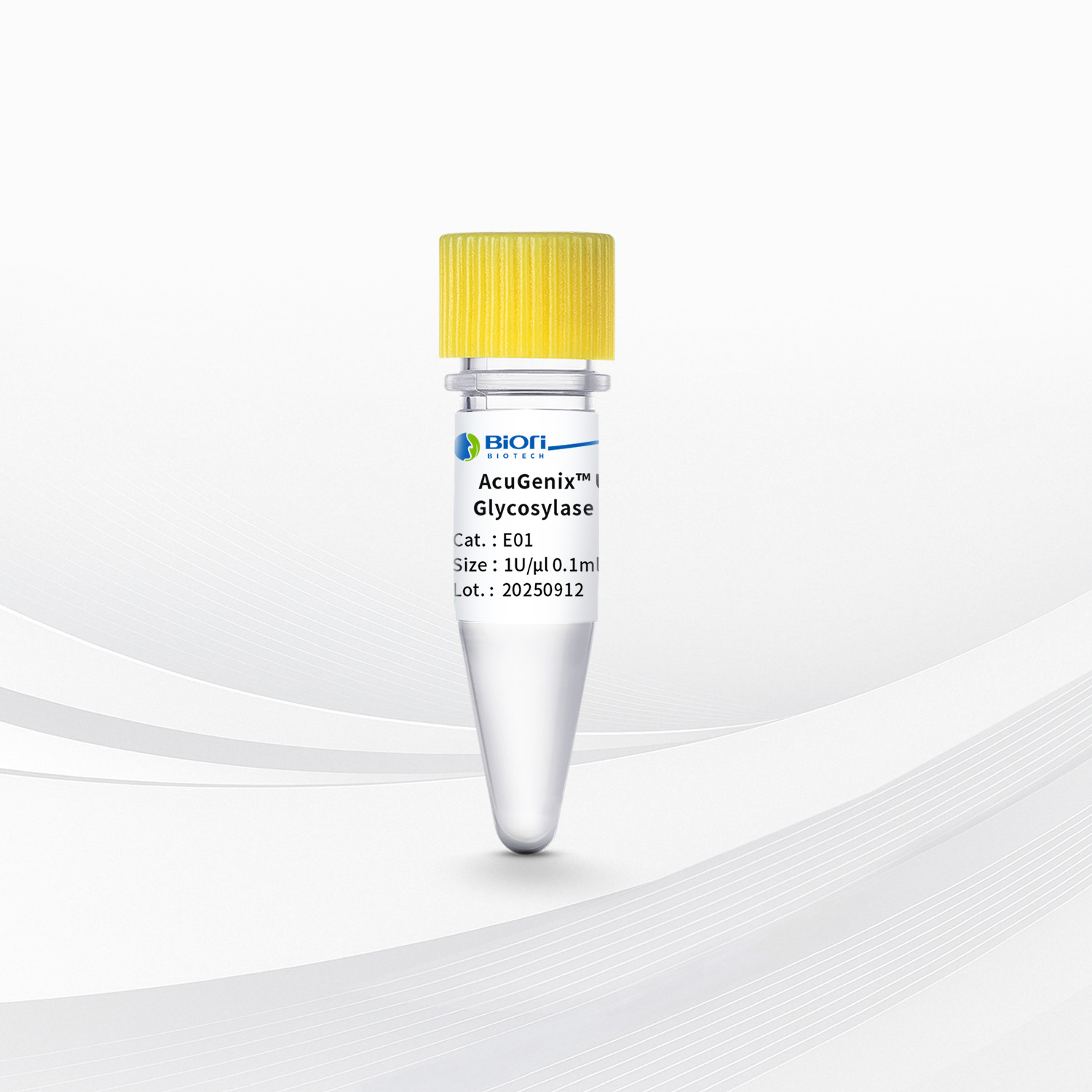
AcuGenix™ Uracil-DNA Glycosylase (UNG/UDG) (Glycerol-free)
Uracil-DNA glycosylase for dUTP/UNG carry-over control: digests dUTP-containing templates at 50 °C and is heat-inactivated at 95 °C.
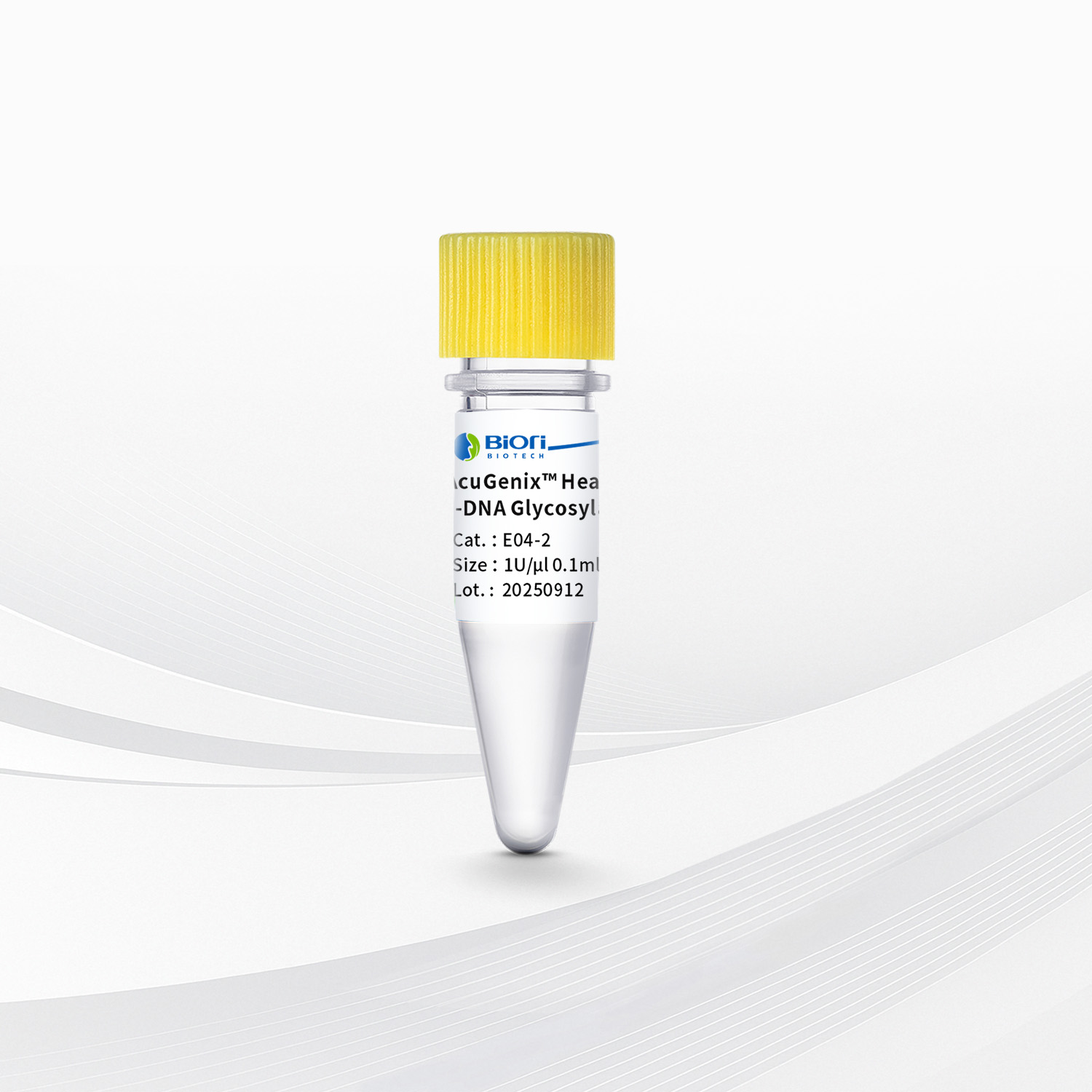
AcuGenix™ Heat-labile Uracil-DNA Glycosylase (UNG)-V2 (Glycerol-free)
Heat-labile UNG, active at 20–37 °C and inactivated at 50 °C, for carry-over contamination control in PCR and RT-PCR.
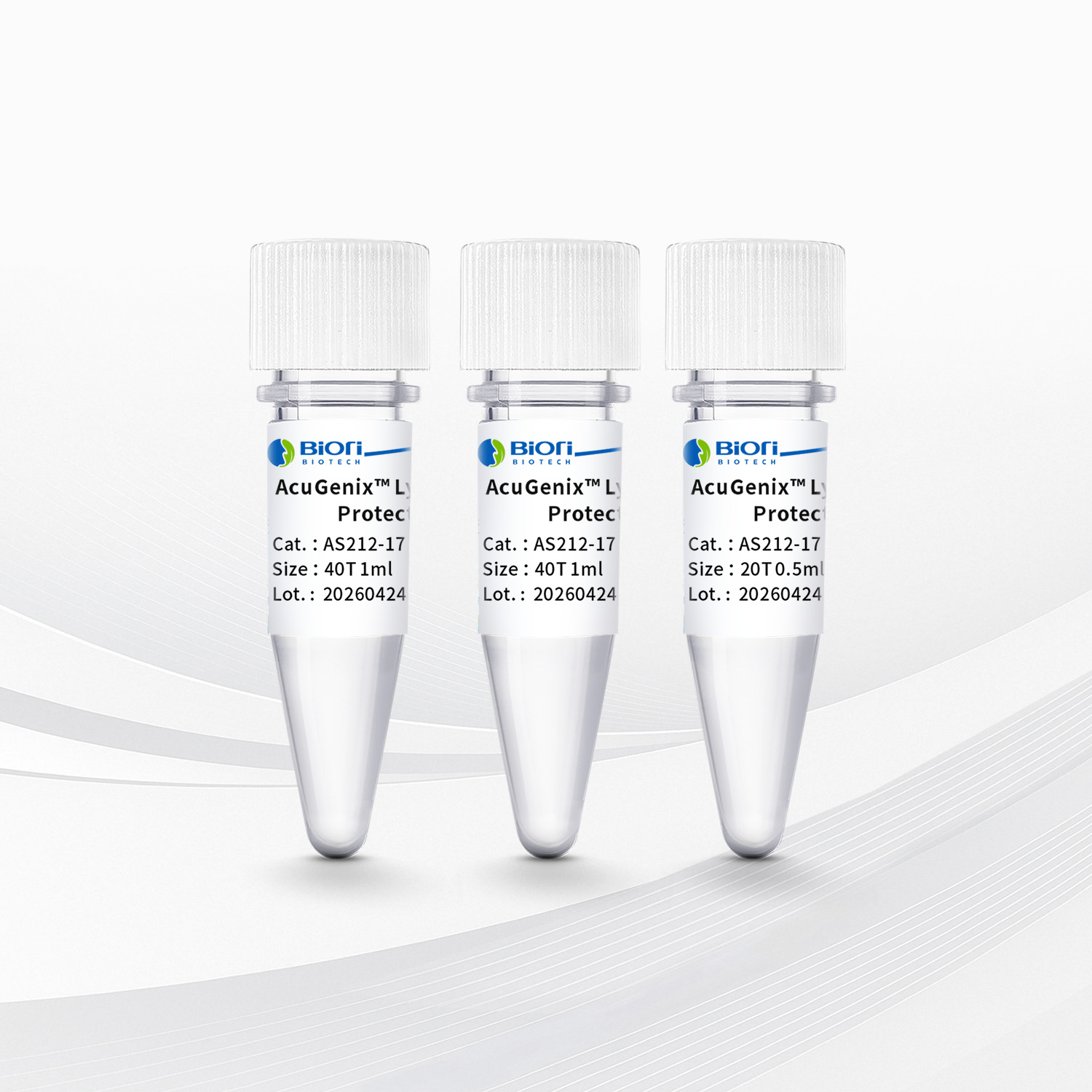
AcuGenix™ Lyophilization Protectant-17
Lyoprotectant mainly for DNA systems, with anti-humidity properties: dried product can be exposed to 20–25% RH for 4 hours before vacuum packing. 2× concentrate.
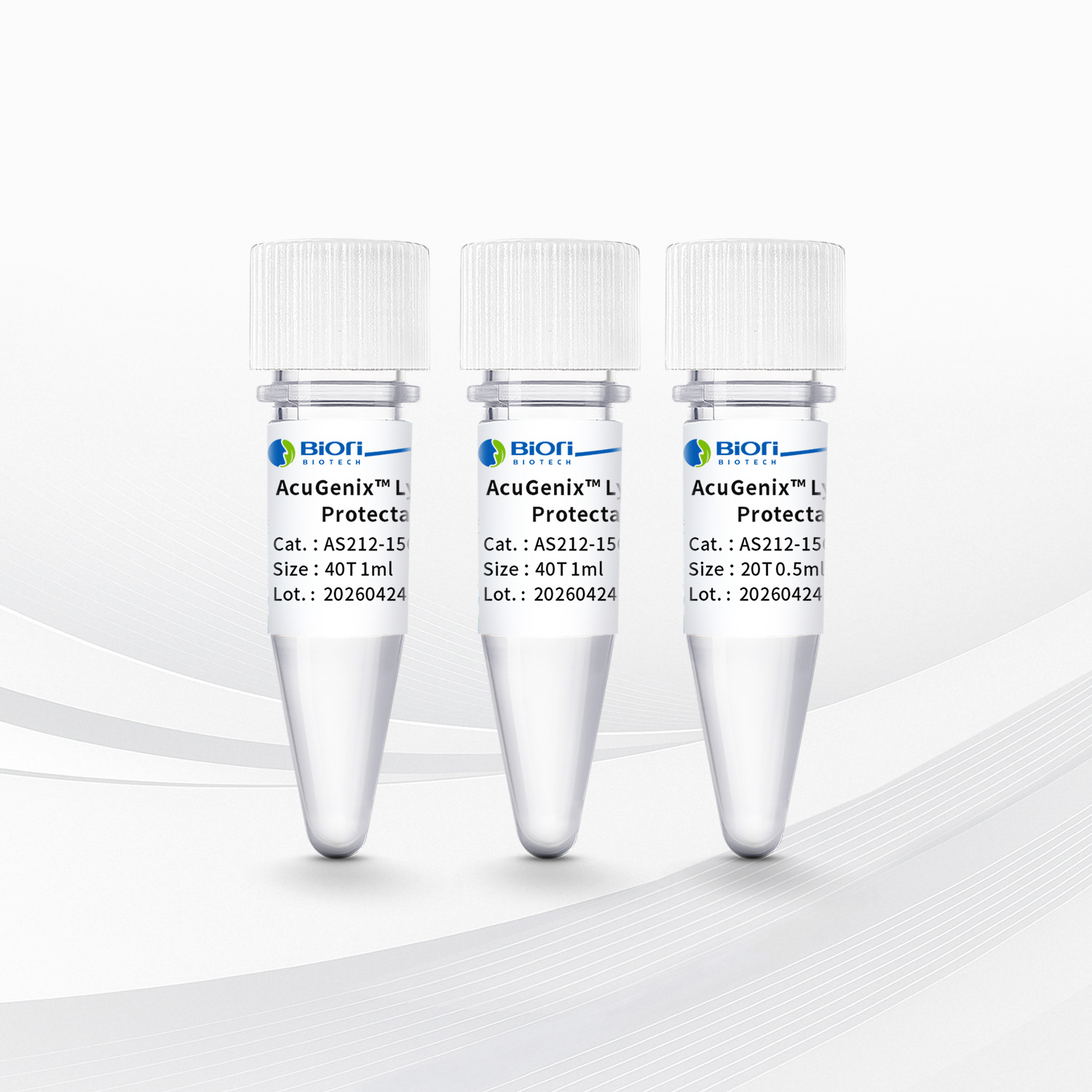
AcuGenix™ Lyophilization Protectant-156-5
Lyoprotectant mainly for RNA systems, with moisture resistance: dried product can be exposed to 20–25% RH for 4 hours before vacuum packing. 2× concentrate.
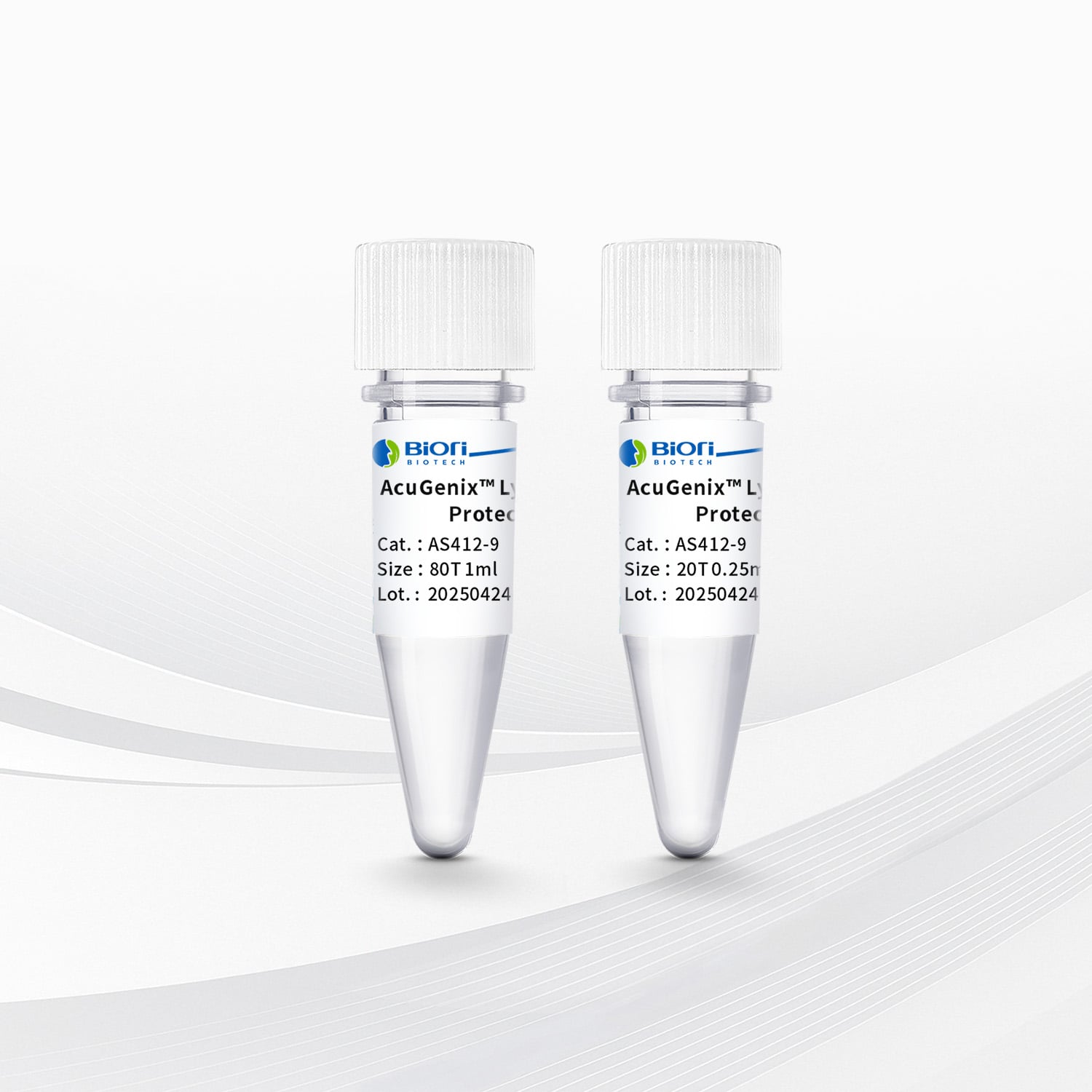
AcuGenix™ Lyophilization Protectant-9
Lyophilization protectant and excipient for PCR amplification reagents and raw materials; freeze-dried samples re-dissolve quickly. 4× concentrate.
Lyophilization service
Cycle development, pilot lots and production in beads, strips, plates and vials. 18-month room-temperature data and shipping stress data.
Lyophilization service →Lyo-ready master mixes
Complete glycerol-free qPCR, RT-qPCR and LAMP master mixes for freeze-dried kits.
Lyo-ready master mixes →OEM and bulk supply
No minimum order quantity, pack sizes up to 1 L and a typical OEM lead time of about 14 days.
OEM & bulk supply →Feasibility assessment
Free of charge for your formulation. Primer and probe verification and pilot lots are quoted per project.
Talk to an expert →Glycerol-free vs lyo-ready: what changes in the tube
The standard liquid form of each enzyme contains glycerol, which keeps it stable at −20 °C but never leaves the product during drying: it stays behind as a syrupy residue that prevents a dry, porous cake from forming. Each enzyme on this page is therefore also supplied in a glycerol-free identity with an F-prefixed catalog number (FE03 for E03, for example), so it can go into a reaction that will be freeze-dried.
Glycerol-free is what the enzyme itself has to be. Whether a complete reaction dries well is decided by the whole mix: buffer, primers and probes, lyoprotectant, fill volume and drying cycle. Disaccharides such as trehalose and sucrose form a glassy matrix around the enzyme and replace the hydrogen bonds that water provided, so the protein keeps its native fold in the dry state. For complete reactions that are ready to dry, see our lyo-ready master mixes.
Build a freeze-dried assay from individual enzymes
- Choose the enzymes. A hot-start Taq or Tth for PCR and qPCR, or a Bst for LAMP; a reverse transcriptase for RNA targets; UNG/UDG for carry-over control; RNase H II for probe-based LAMP. Order each in its glycerol-free identity.
- Add a lyoprotectant. AS212-17 for DNA systems or AS212-156-5 for RNA systems. Both are 2× concentrates: 12.5 µL in a 25 µL reaction gives 1×. AS412-9 is a 4× concentrate (6.25 µL in 25 µL). The water volume can be trimmed to improve the dried form. All three are sold separately.
- Freeze-dry in the final format. Beads, 8-tube strips, 96-well plates, pre-filled tubes or vials.
- Compare with the liquid control. Run the dried reaction against the same-batch liquid reaction, before and after storage, as in our own stability studies.
If you would rather not develop the drying cycle in-house, our lyophilization service covers cycle development, pilot lots and production, and the feasibility assessment of your formulation is free of charge.
Performance after lyophilization
Mix-level data. The results below were generated with two complete BIORI lyo-ready master mixes, primers and probes included, not with the individual enzymes on this page.
- Real-time: FM2181-4 (4-plex qPCR, DNA) and FM5144 (4-plex RT-qPCR, RNA) stored 18 months at room temperature, every channel within ΔCt ≤ 1 and ΔRn within 10% of the same-batch liquid control.
- Accelerated: 37 °C for 150 days and 45–55 °C for 12–90 days across 8-tube strips, vials and beads.
- Shipping stress: beads left open 4 hours at 20–25% RH, sealed, then held 30 days at 55 °C; amplification stayed consistent with the liquid control.
See the full stability data on the lyophilization service page.
Lyophilization or air-drying?
Freeze-drying removes water from a frozen reaction under vacuum; air-drying removes it by evaporation, without freezing. Our stability data cover freeze-dried formats only.
Frequently asked questions
What are lyo-ready enzymes?
Which lyoprotectant should I use, and how much?
How should the glycerol-free liquid enzymes be stored?
Which products are in the Lyo-ready Enzymes category?
Which formulations are available?
What documents are provided?
Can I order bulk packs or a custom formulation?
Building a freeze-dried assay?
Send the formulation and target format: the feasibility assessment is free of charge. For bulk and private-label supply, see custom molecular diagnostic reagents, no MOQ.